Winter Wedding Flowers in New England, Without a Holiday Theme
A January wedding doesn't have to look like an extension of Christmas. If red berries, pine branches, and plaid aren't your style, leave them out. Winter can be the setting for your wedding without becoming its theme.
For New England couples, the practical work is less about finding “winter-looking” flowers and more about sourcing, indoor light, and keeping arrangements out of freezing weather. You can have a soft pink bouquet in February. You just need a plan that suits February.
Start with the room, not a seasonal color chart
Most of your guests will experience the flowers indoors. Look at your venue's walls, floors, linens, and evening lighting before deciding that winter requires an all-white palette.
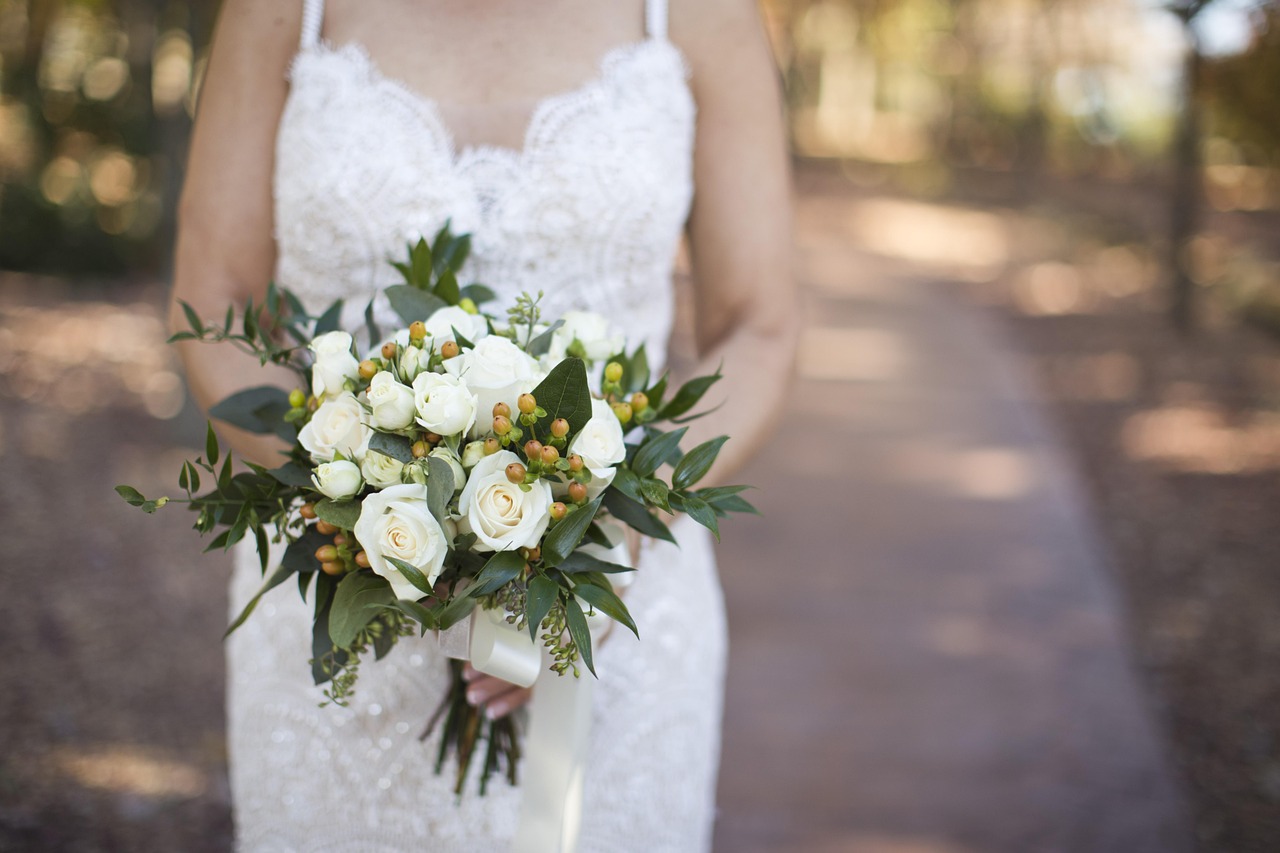
White flowers against white linens can look beautiful, but the effect depends on shape and contrast. Dark foliage or a warmer vessel may help the arrangement read clearly. In a wood-paneled room, pale blush and cream can soften the setting. A modern space might suit plum flowers with warm neutral linens just as well.
Try describing the result you want without mentioning a season: intimate, bright, restrained, colorful, or a little wild. Those words are a better starting point than a search result full of snowflakes.
Three palettes that don't need holiday decorations
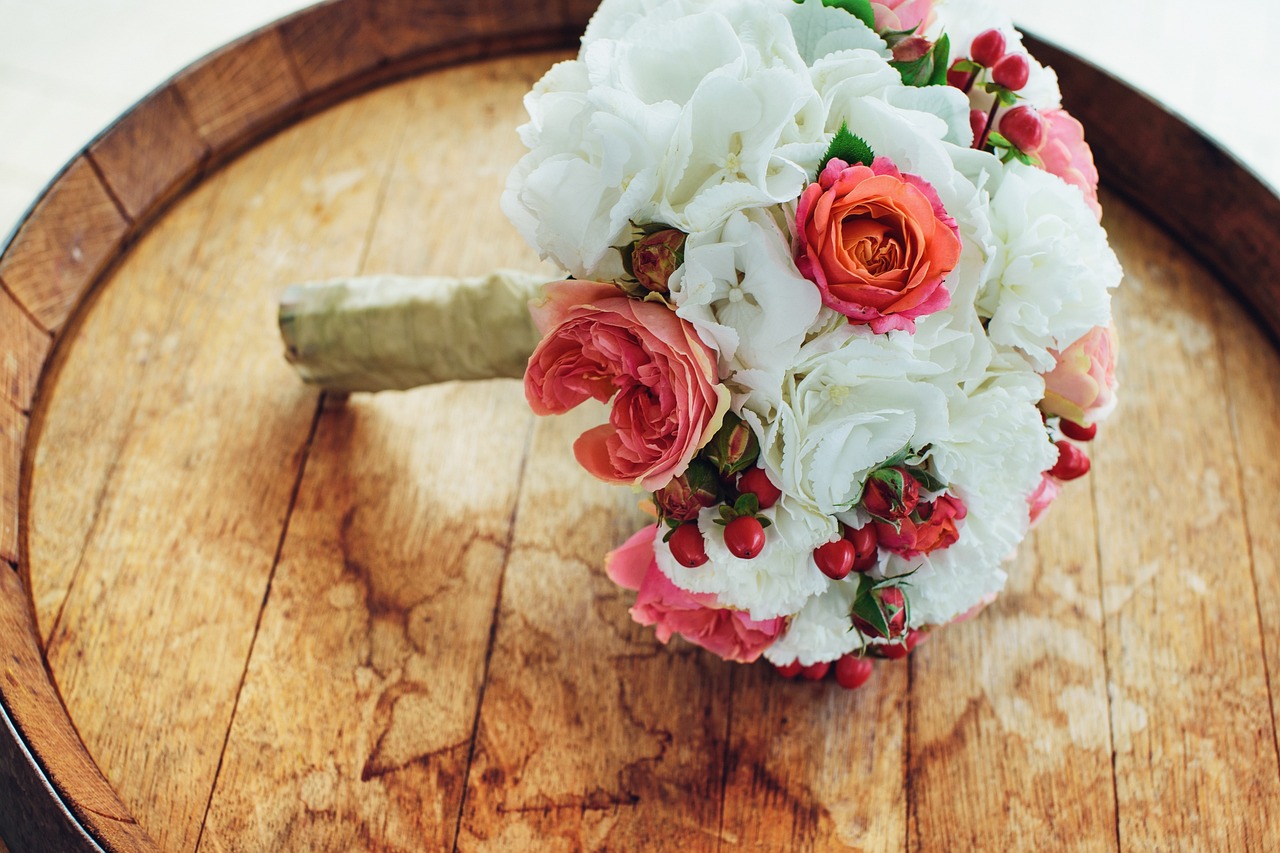
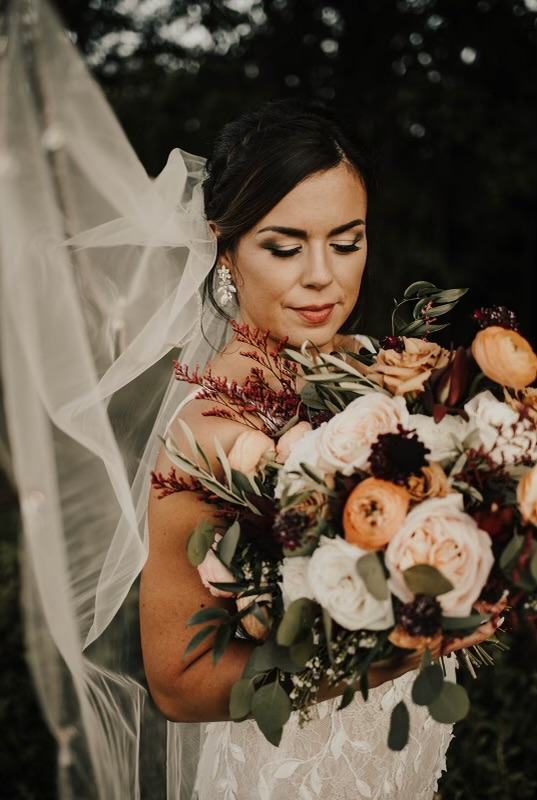
Cream, pale peach, and warm green
This combination gives a light bouquet some warmth without turning it into a spring-themed design. Ask your florist to vary flower shapes so the arrangement doesn't become one uniform pale mass. The exact stems can follow availability.
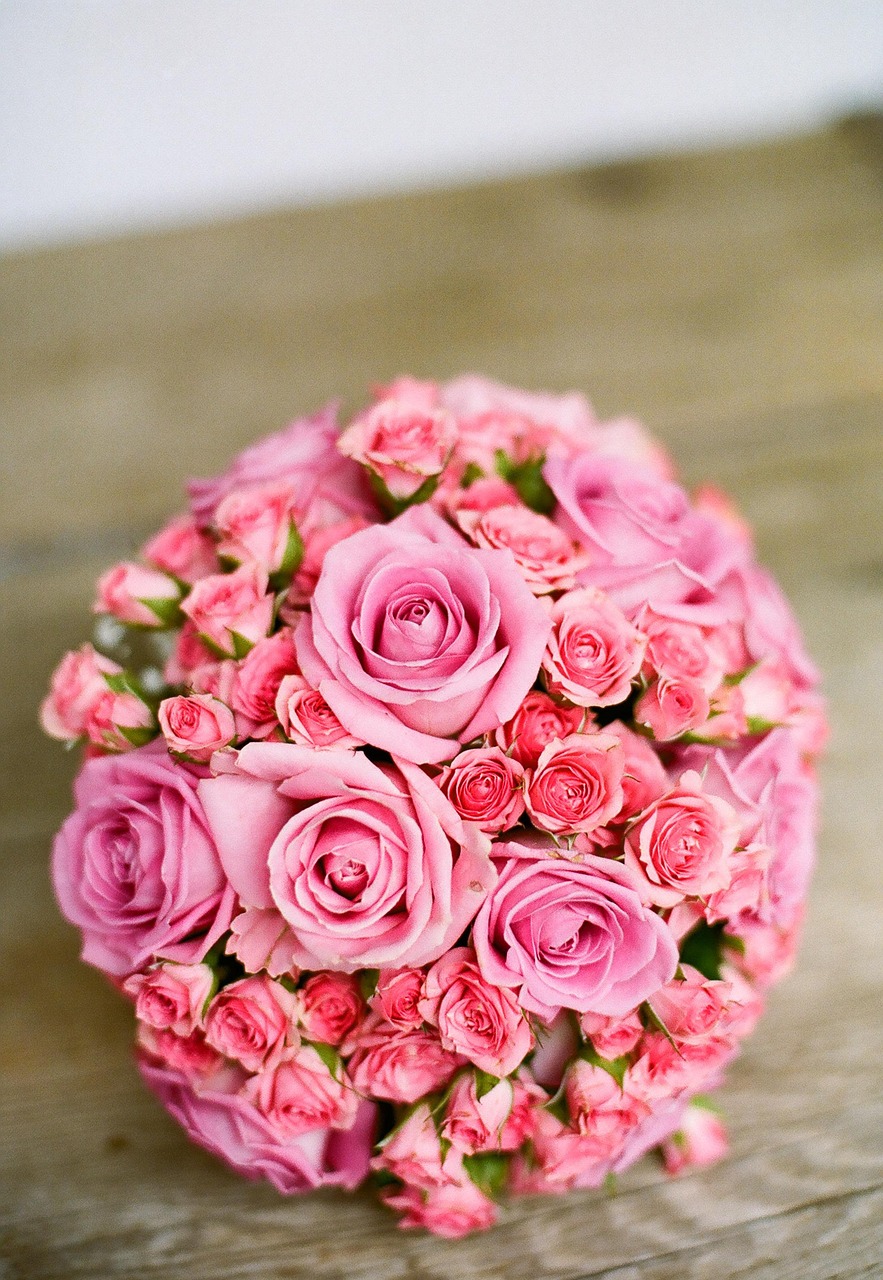
Plum, mauve, and muted pink
Deeper flowers can work well at an evening reception. Keep an eye on the balance: a few lighter flowers help reveal the shape in photographs and prevent everything from looking dark against dark clothing.
White and green, with texture rather than sparkle
If you love a simple palette, use the differences between rounded flowers, smaller accents, and foliage. You don't need faux snow or glitter to make it feel appropriate for winter. Bring your florist examples of both the look you like and the holiday details you want to avoid.
What flowers can you actually get in winter?
Wholesale availability is not the same as a local field season. A florist may be able to source roses, carnations, chrysanthemums, tulips, or other flowers through suppliers during winter, but variety, color, quality, and price still need confirmation for your date. Greenhouse production and flowers grown in other climates make more possible than the landscape outside suggests.
Don't treat a list of “winter wedding flowers” as a shopping guarantee. Ask whether it describes flowers grown locally at that time, flowers typically available through wholesalers, or simply flowers that look good in a winter palette. Those are three different lists.
If locally grown flowers are a priority, say so before settling on a design. Your florist can discuss what is realistically available and whether dried material or other elements make sense. For the wider seasonal picture, see our New England flower season guide.
Make a specific plan for outdoor photographs
Your photographer may want a few portraits in the snow. Your bouquet doesn't need to wait outside while everyone finds coats, fixes a veil, and gets into position.
Arrange a warm holding space and a person who can bring the bouquet out when it's needed. Keep flowers away from direct blasts of heating air, too. A hot car vent is not a good answer to a cold bouquet.
Ask your florist how to handle the actual flowers they've selected. There is no single exposure limit that works for every bouquet. Some flowers are much more sensitive than others, and wind and temperature both matter. UMass Extension's cut-flower guidance also notes that storage needs vary by flower type; tropical flowers, for example, should not be treated like cold-tolerant stems.
If a bouquet gets cold, don't try improvised treatments before calling your florist. The safest instructions will come from someone who knows its materials and construction.
Winter reception flowers need a lighting check
Visit the room at a similar time of day if you can. A centerpiece that looks airy beside a sunny window may read differently after sunset. Ask about the lighting used during dinner, not just the lights switched on for a venue tour.
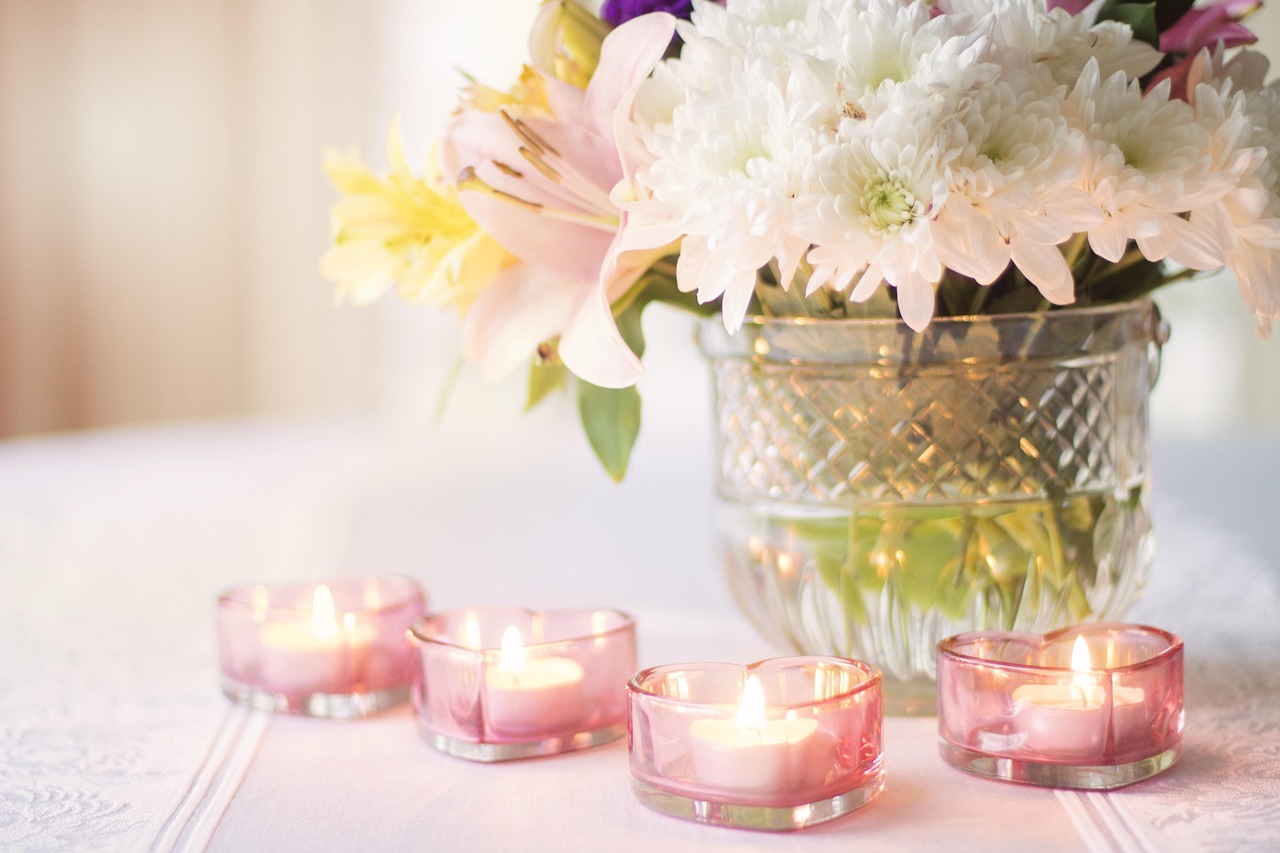
Candles can help create the atmosphere you want, but check the venue's rules before adding them to a design. Open flames, enclosed candles, and battery-operated options may be treated differently. Keep flames and heat away from petals and foliage, and leave the placement to the venue and design team.
Table space matters as much as the arrangement. Menus, glasses, shared dishes, and place settings all need room. A smaller arrangement with a considered shape may work better than a broad centerpiece squeezed between plates.
Does getting married in winter make flowers cheaper?
Not automatically. Your quote depends on the flowers, quantities, sourcing, design work, and installation. A date near Valentine's Day may bring different availability and demand than another winter weekend. An off-season venue rate doesn't establish an off-season flower price.
The useful budget question is which parts of the floral plan matter most to you. Tell your florist whether that's the bouquet, the ceremony setting, or the dinner tables, and build from there.
Start a conversation about your winter wedding flowers. Share your date, venue, and a few images you like. A holiday theme is entirely optional.
Care reference: UMass Amherst Extension, Care for Cut Flowers.