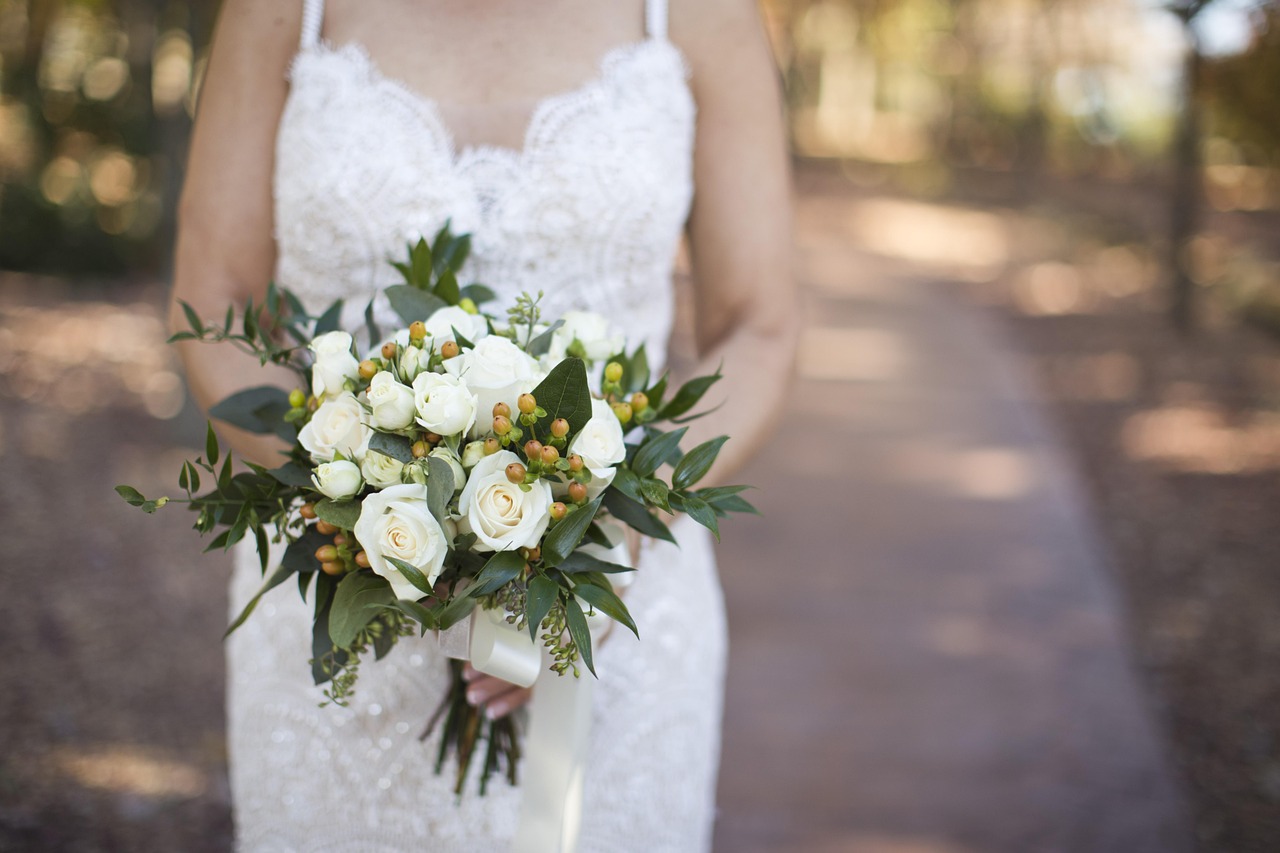
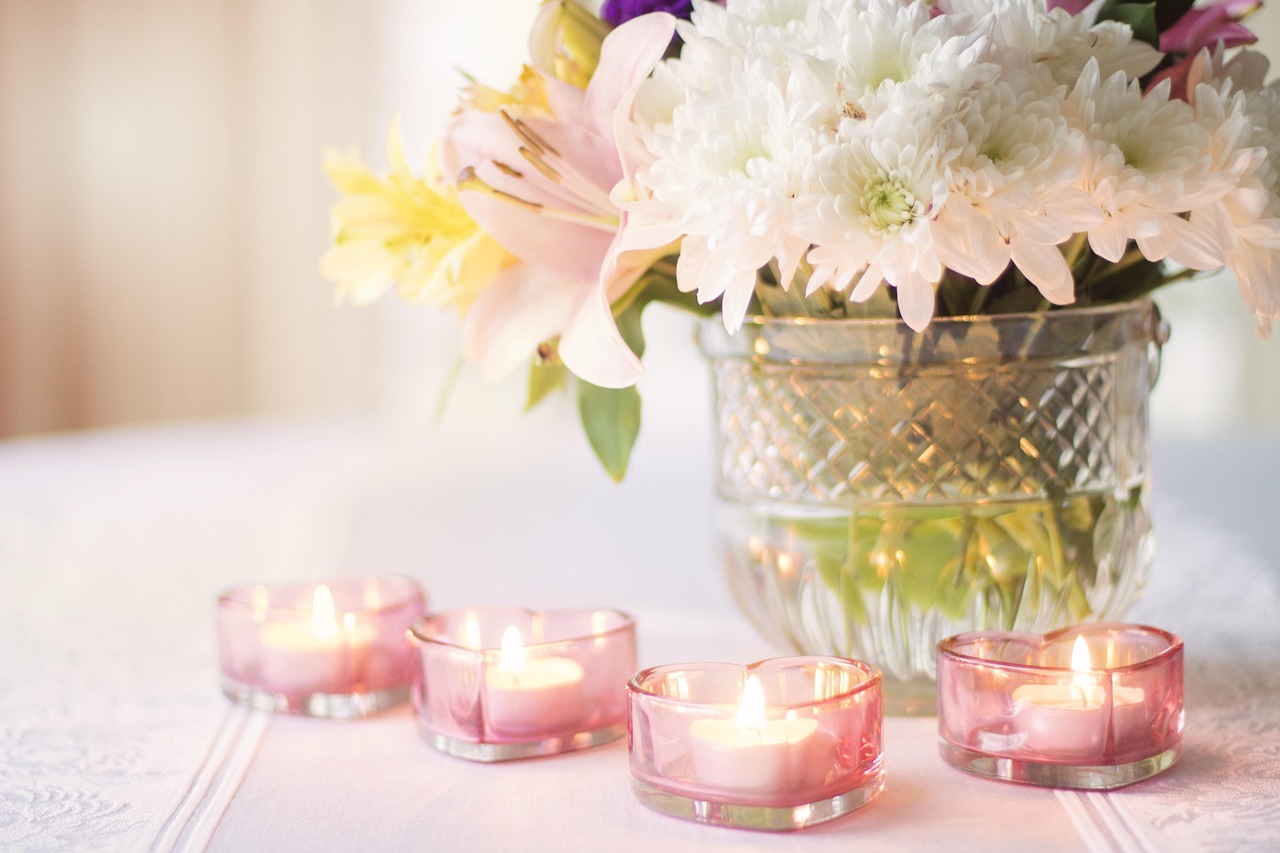
How to Plan Your Wedding Flowers (Even If You Have No Idea Where to Start)
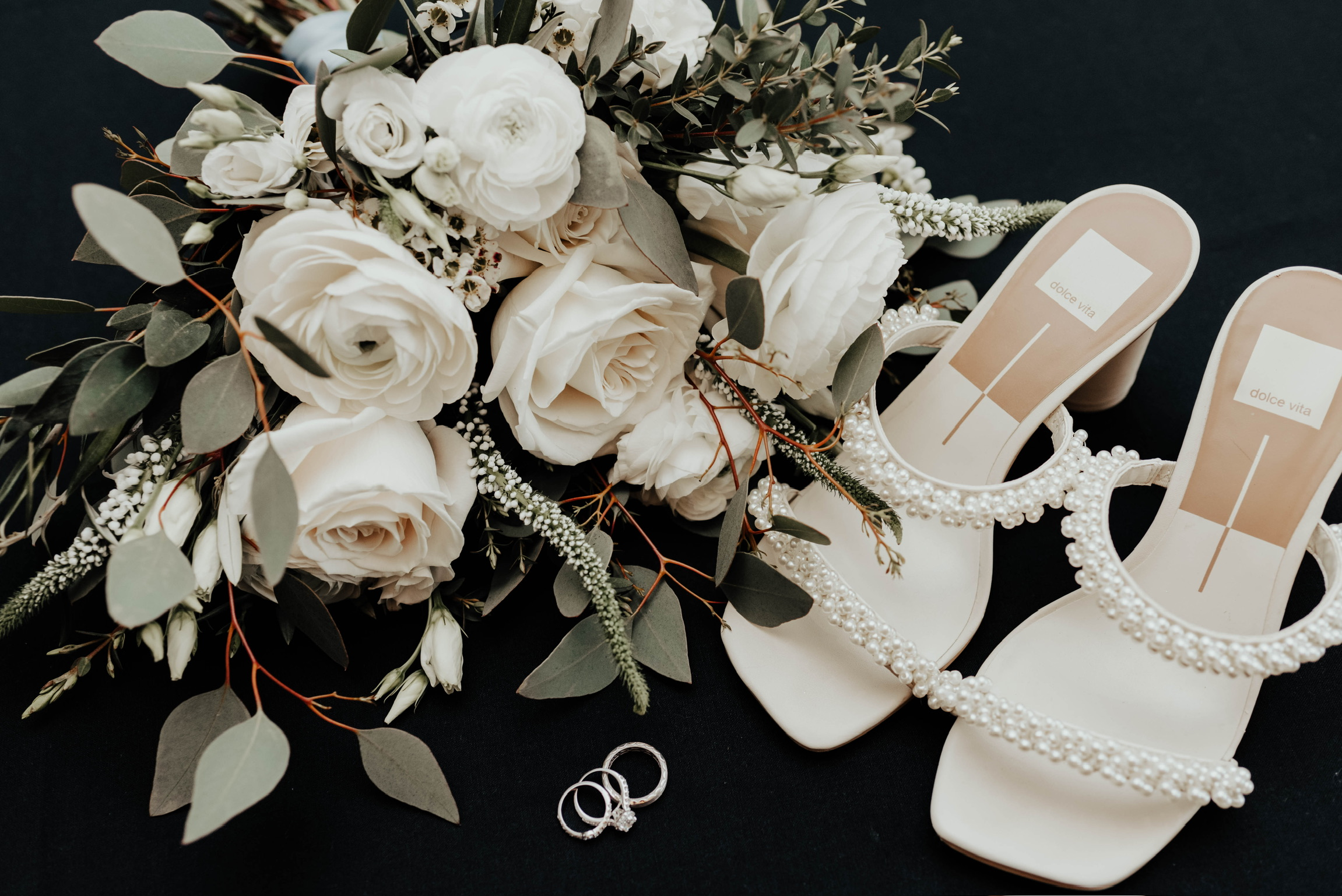
Most couples come into their first florist consultation the same way: they have a Pinterest board, a general sense of a color palette, and a mild fear that they don't know enough to have this conversation.
Here's the thing: you know more than you think, and you need less certainty than you expect. The florist's job is to translate what you're feeling into something concrete. Your job is to communicate the feeling — not to know the names of the flowers that will get you there.
Start With the Mood, Not the Flowers
This is the advice that unlocks everything. Instead of starting with "I want peonies and garden roses," start with: how do I want this to feel?
Romantic and a little wild? Crisp and architectural? Lush and overflowing? Minimal and modern? Warm and autumnal? Light and airy?
Those are directions a florist can work with. Once we know the feeling you're going for, we can identify which flowers, textures, colors, and shapes create that effect. Sometimes it's peonies. Sometimes it's a combination of flowers you've never heard of that photographs exactly like what you pinned.
The couples who get the most from a design consultation are the ones who can articulate a feeling or an aesthetic, even vaguely. "I want it to feel like a garden in France in the early morning" is more useful than "I want pink and white flowers."
Colors Are a Starting Point, Not a Final Answer
Most couples come in with a color palette — usually pulled from their wedding's overall design or their stationery or their bridesmaid dresses. That's a useful starting point, but color in flowers is more nuanced than color in fabric or paper.
Flowers have warmth and undertones. A "blush" rose photographed in outdoor afternoon light looks completely different from the same rose photographed indoors under string lights. "White" flowers range from pure paper-white to cream to champagne to greenish-white, and they all live very differently next to each other and other colors.
Part of the consultation process is translating your color vision into what flowers actually look like in person and in your specific venue's light. Bring swatches if you have them. Bring your dress inspiration if you have it. The more visual context, the better.
Your Venue Is Doing More Work Than You Realize
The visual environment around your flowers shapes how they read more than almost anything else. A loose, garden-style arrangement in front of raw wood and hanging Edison bulbs is a completely different visual experience than the same arrangement against white walls and marble floors.
Western Massachusetts has an extraordinary range of wedding venues — historic farmhouses in the Pioneer Valley, estate properties in the Berkshires, contemporary spaces along the Connecticut River, barn venues in the hills of Western CT. Each has its own character, and the flowers should be designed in relationship to that character, not in spite of it.
Before you get too attached to a specific look, think about what your venue's existing architecture, color palette, and feeling already give you — and what you're working with or against.
How to Actually Use Pinterest
Pinterest is useful. It's also a source of wedding planning anxiety, which is the last thing you need.
Use it to communicate aesthetic direction, not as a rigid specification. Drop 20–30 images into a folder and look at them together. What's the pattern? Is it all loose and textured? Is it all green and white? Are there always trailing elements? Are they all outdoors? That pattern is your aesthetic — and it's far more useful than any individual image.
What florists don't need: every specific flower identified and required. What florists do need: enough images to understand the feeling you're drawn to.
The Timeline for Floral Planning
Here's a rough timeline for working with a wedding florist:
12–18 months out: Book your florist if you're getting married in peak season (May–October in New England). The best floral designers book early, and if your date is in the fall, early spring, or summer, you'll want to secure your spot before the calendar fills.
6–9 months out: Initial design consultation. You'll discuss vision, colors, venue, budget, and guest count. We put together a detailed proposal from there.
3–4 months out: Confirm your proposal, sign the contract, and put down a deposit. This is also when any significant changes to guest count or venue details should be communicated.
4–6 weeks out: Final confirmation call. We'll review quantities, timing, and logistics. This is your last window to make minor adjustments.
Wedding week: We're pulling, conditioning, and designing. You don't need to do anything except send us a good timeline from your day-of coordinator.
Ready to start the conversation? →
We serve couples planning weddings throughout Western Massachusetts and Connecticut. Learn more about how we work →
Two good next reads from here: what's blooming in each New England season and the nine questions to ask a florist before you book.
Written by Kristina, founder of Evergreen Events — designing wedding florals across Western Massachusetts and Connecticut.