Bridal Bouquet Styles: How to Choose the Right Shape for You
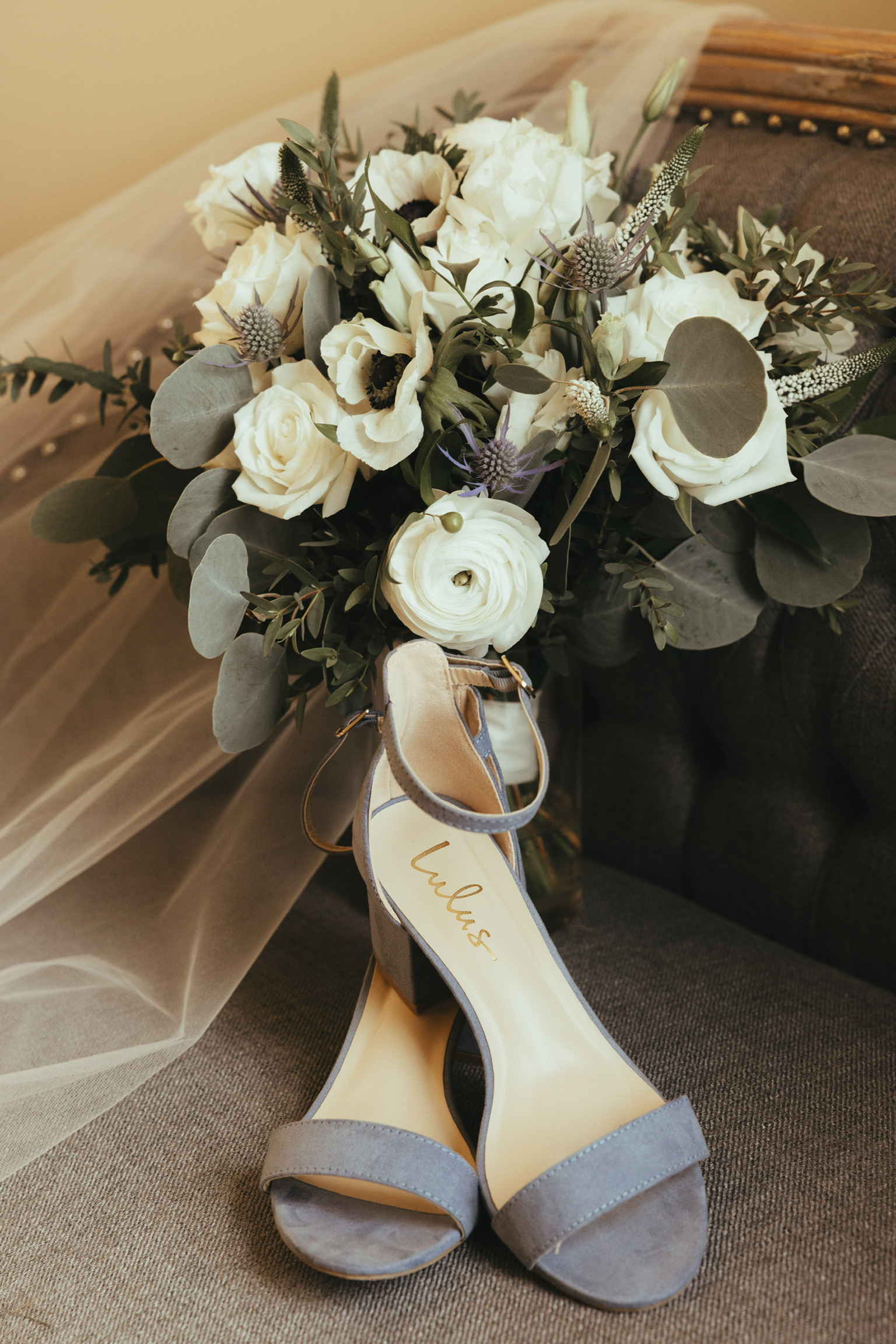
Before you start scrolling Pinterest for bouquet inspiration — and you definitely will, if you haven't already — it helps to know what you're actually looking at. Not every beautiful bouquet you save translates to your dress, your height, your venue, or even the flowers you have access to on your date.
Here's a practical breakdown of the main bouquet shapes, what they do photographically and physically, and how to figure out which one actually belongs in your hands on your wedding day.
Round / Posy
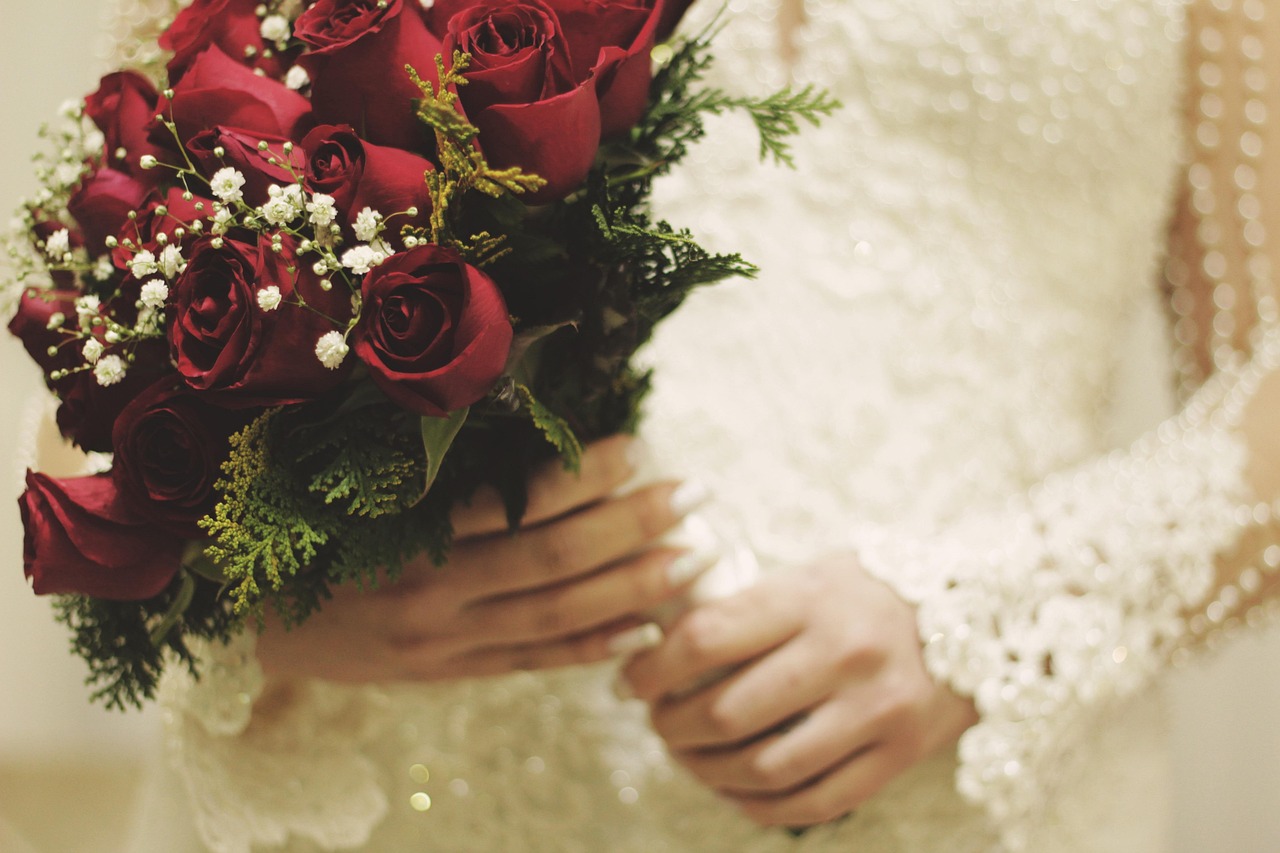
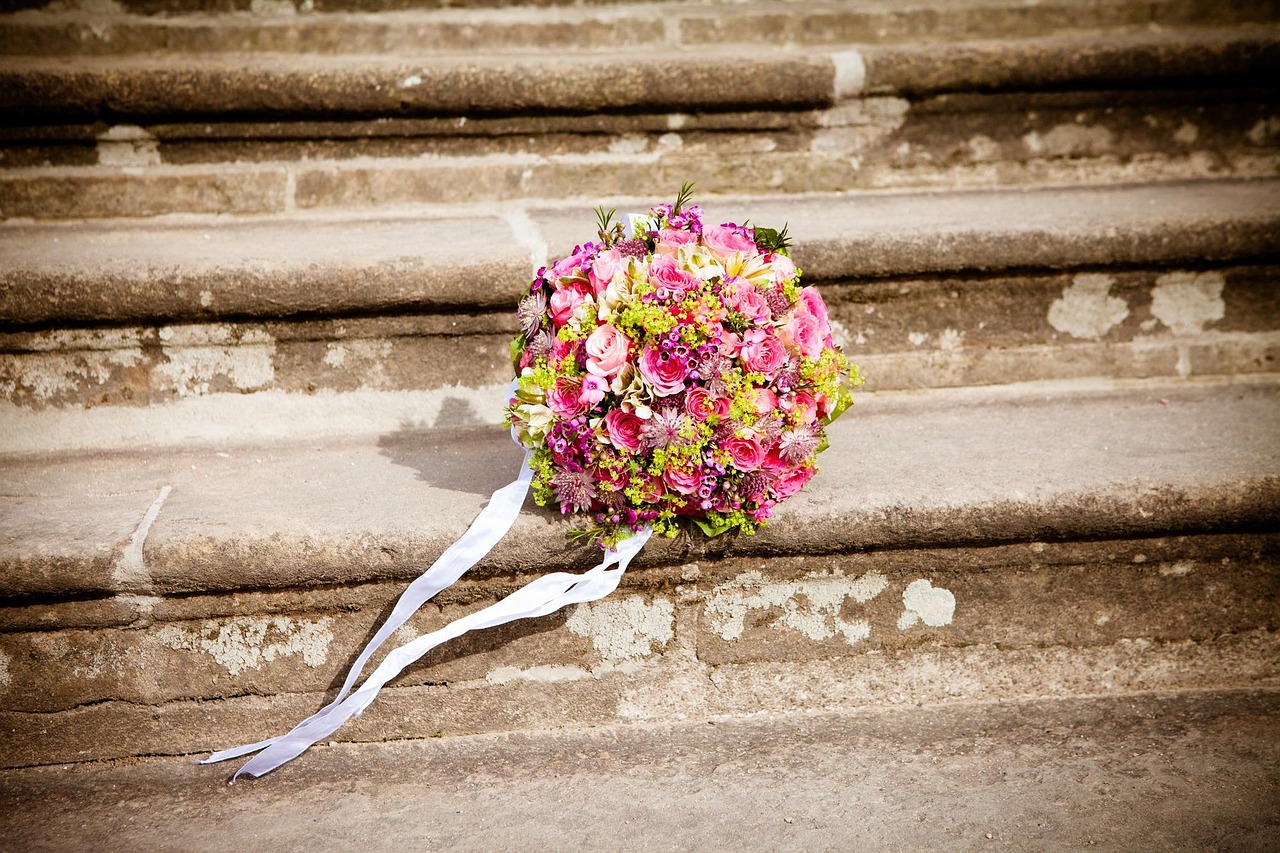
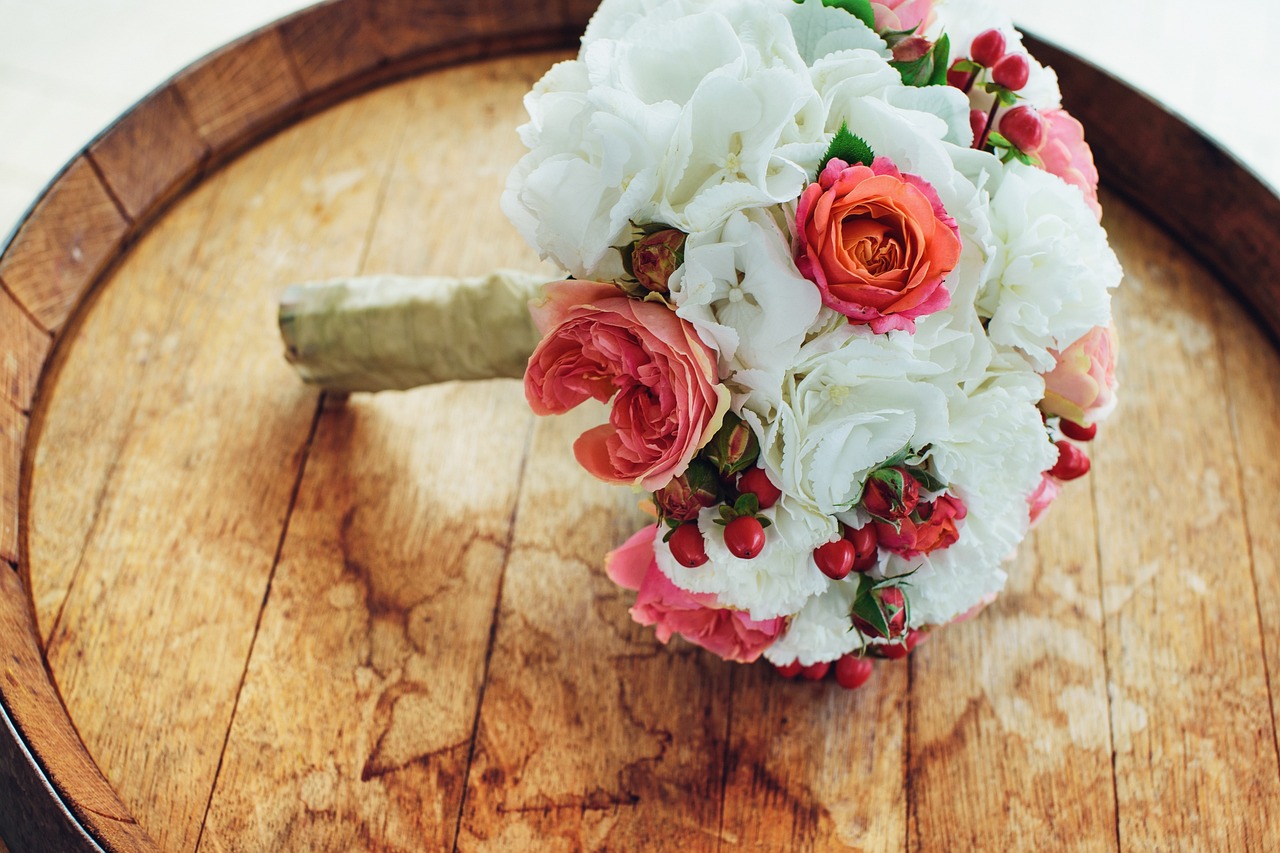
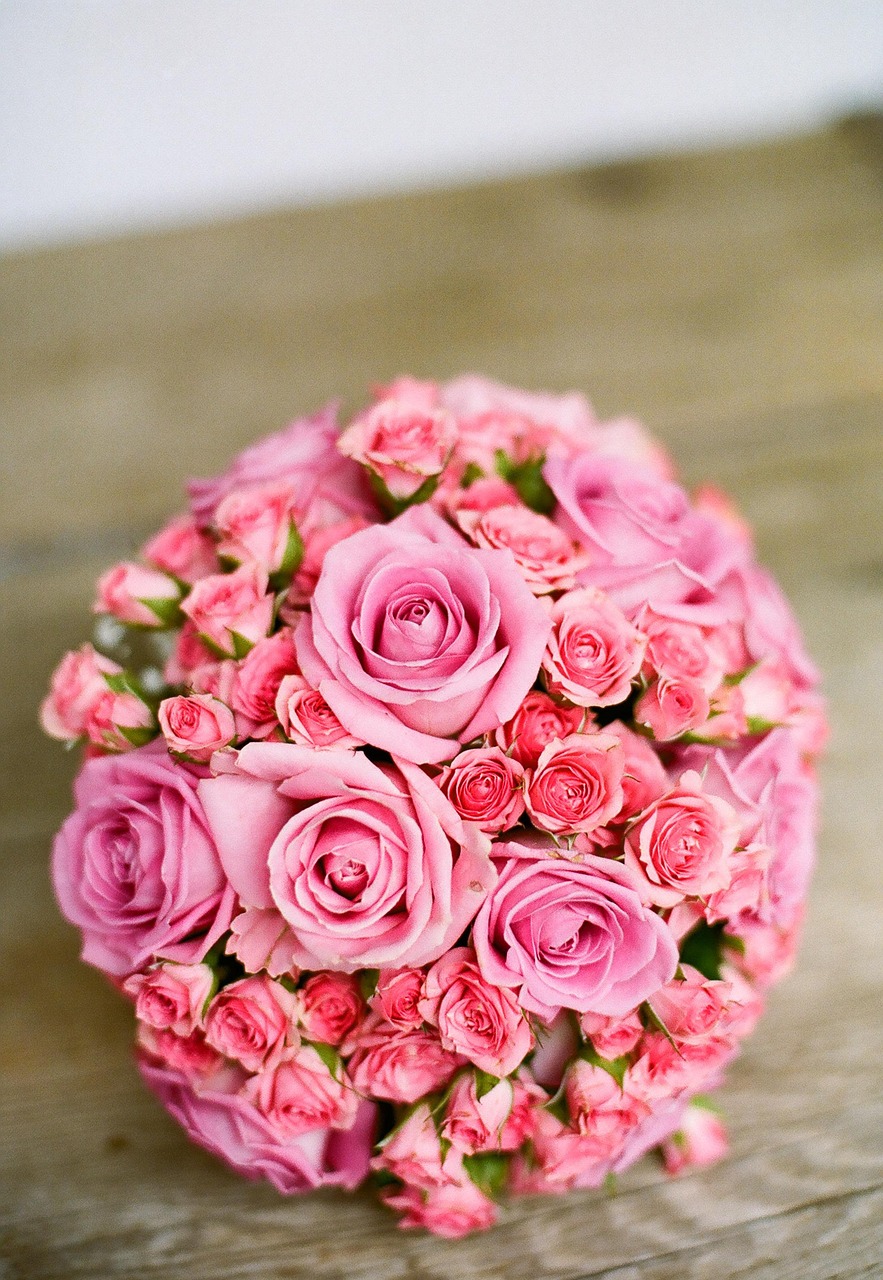
The most classic and widely photographed bouquet shape. A round bouquet is exactly what it sounds like: a tight, domed arrangement where the flowers create a consistent surface across the top.
Round bouquets are versatile. They work with almost every dress silhouette, photograph cleanly from every angle, and are the easiest shape to hold comfortably over a long day. They're also the most consistent to execute — which matters when you're asking a florist to design something that has to look perfect at 10am at a first-look, at noon during portraits, and at 9pm during the last dance.
If you genuinely don't know what you want and you want something that will absolutely work: start here.
Garden Gathered / Hand-Tied
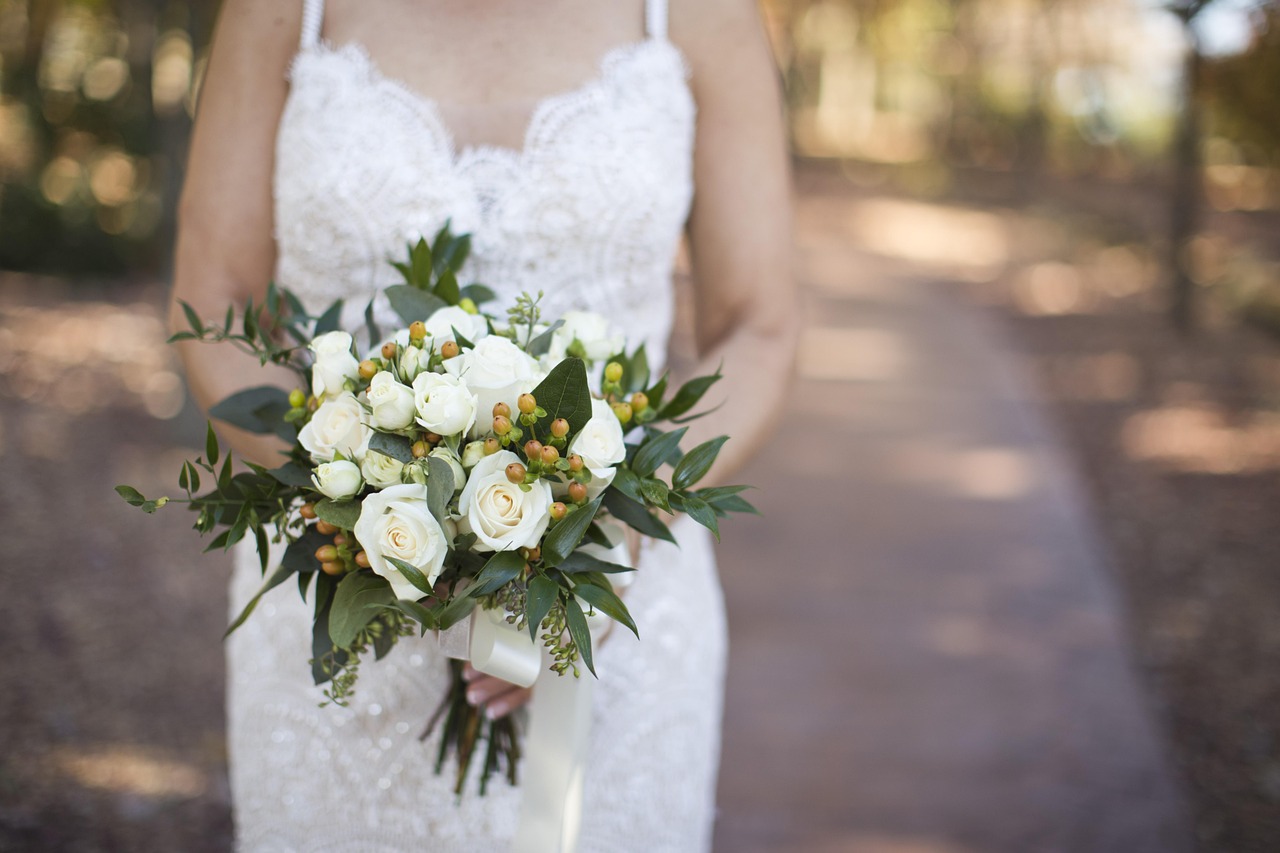
This is the shape that's taken over the last several years, and it's not going away. A garden gathered bouquet is looser than a round — it looks like you walked through a field and picked an armful of flowers, then tied them together. There's movement, there are different heights, there are stems and leaves visible throughout.
Done well, it's the most romantic and photogenic bouquet style that exists right now. Done carelessly, it looks like someone didn't finish arranging it.
The key is intention. A great garden gathered bouquet takes more skill to construct than a round one, not less, because the "effortless" quality has to be engineered. Every stem has a reason for where it is.
This shape suits outdoor and garden venues especially well, works beautifully in natural and editorial light, and tends to be the direction we lean at Evergreen Events when couples give us creative latitude.
Cascading / Teardrop
Cascading bouquets trail downward from the central arrangement — sometimes just a few inches, sometimes dramatically long. They're elegant, they're vintage-leaning, and they make a real statement in photos.
The practical consideration: cascading bouquets are heavier than they look. A long cascade in full bloom is something you'll feel in your wrists and forearms after an hour. If you're attached to this shape, we'll often recommend keeping the cascade itself lighter — using trailing greenery, ribbon, and selected stems rather than loading every inch with heavy blooms.
They photograph best with full-length shots and floor-length gowns. If you're in a short or tea-length dress, the proportion tends to get awkward.
Arm / Presentation Bouquet
An arm bouquet is held across the body rather than in front of it — think a bundle of long-stemmed flowers cradled in the crook of your arm, like a pageant or a harvest. These are having a real moment in 2026.
They're bold. They work best for brides who want something editorial and a little outside the conventional, and they photograph strikingly in the right setting. The flowers need to be long-stemmed by nature — roses, garden roses, protea, tropical blooms, oversized dahlias — and the stems become part of the design rather than being hidden.
If your wedding has a more structured or formal sensibility, or if you're in a dress with a fitted bodice and fitted sleeves, the arm bouquet can feel unwieldy. But if it suits your aesthetic, the images will be genuinely distinctive.
Nosegay
Small, structured, and precise — a nosegay is a compact round bouquet, typically 6–8 inches in diameter, with tightly packed blooms and clean edges. It reads as formal and intentional.
Nosegays suit suits and jumpsuits well, look beautiful for second weddings or smaller intimate ceremonies, and are often the right choice when the bride genuinely doesn't want a big statement piece taking over the day's aesthetic.
How to Actually Choose
Here's what we tell every couple who comes in unsure: don't start with the bouquet shape. Start with how you want to feel when you're holding it.
Do you want something romantic and loose? Do you want something architectural and precise? Do you want something that photographs dramatically? Do you want something that doesn't get in the way?
Once you know the feeling, the shape tends to follow. And then we look at your dress — its neckline, its silhouette, its level of ornamentation — and your venue, because the setting shapes the visual context for everything in the frame.
Talk to us about your bouquet →
We design luxury bridal bouquets for weddings across Western Massachusetts and Connecticut. See our work in the portfolio →
Once you know your shape, the next step is finding the right hands to build it — start with the nine questions to ask a florist before you book and the difference between a florist and a floral designer.
Written by Kristina, founder of Evergreen Events — designing wedding florals across Western Massachusetts and Connecticut.